The Greatest Movies Every Classic Car Enthusiast Must Watch
0 Comments
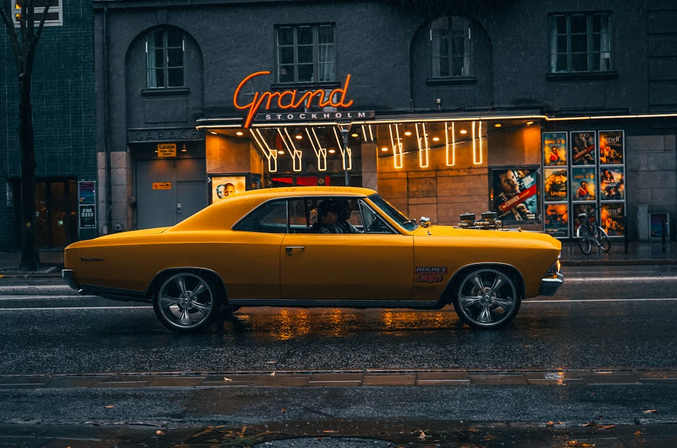
yellow car

Classic cars live two lives. One on the road, and another on the big screen, where they become legends. When you see your car on the screen, you’ll be like, “That’s my car! How Much Is My Classic Car Worth?” That’s basically all of us, while referencing Hollywood’s obsession with beautiful vintage machines. Movies gave certain vehicles a personality. A car stops being just metal and rubber once a camera starts chasing it through city streets. Suddenly, the engine note becomes part of cinema history. Below are several films every classic car enthusiast should watch at least once.

Goldfinger

The 1964 James Bond film Goldfinger changed how people viewed British sports cars. Sean Connery’s Bond drove the legendary Aston Martin DB5, a vehicle now burned into pop culture. The DB5 carried gadgets that made audiences lose their minds. Machine guns, rotating license plates, and an ejector seat. Yes, that seat became a running joke for decades. Car fans love this movie because the DB5 looks spectacular even when standing still. Silver paint, elegant curves, and that confident stance. More importantly, the car felt like a character. It helped Bond win fights and escape danger. That moment pushed the DB5 into automotive legend.

Bullitt

If you love muscle cars, Bullitt is mandatory viewing. The movie features Steve McQueen behind the wheel of a 1968 Ford Mustang GT390. That green Mustang might be the coolest car ever filmed. The San Francisco chase scene still holds up today. No flashy editing tricks. Just raw driving and loud V8 power. McQueen drove like he meant business. The Mustang jumps hills, dives through corners, and growls through city streets. Car lovers appreciate the realism. No fake engine noises or cartoon stunts. Just steel, gasoline, and serious driving. After the film was released, the Mustang became even more famous.

The Italian Job

The Italian Job delivered one of the most entertaining car sequences in cinema. The 1969 version features three classic Mini Coopers escaping through Turin with stolen gold. These little cars dart through staircases, sidewalks, and tight city alleys. Watching them dance through traffic feels like automotive ballet. The Minis prove something interesting. You do not need giant horsepower to create exciting scenes. Their small size becomes an advantage. They squeeze into places no larger car could reach. For many fans, this movie turned the Mini Cooper into a cult icon. The charm is irresistible.

Back to the Future
Yes, the DeLorean DMC-12 counts as a classic now. And Back to the Future turned it into a time-traveling superstar. Before the film, the DeLorean had a mixed reputation. Production problems and company drama clouded its image. Then the movie arrived. Suddenly, the stainless-steel sports car looked futuristic and wild. Add gullwing doors and a fictional flux capacitor, and you get a vehicle nobody forgets. The film boosted interest in the car massively. Owners today still install movie-style modifications for fun. Few vehicles gained such a dramatic cultural revival thanks to a single movie.

Why Movies Shape Car Legends

Classic vehicles gain extra power through storytelling. Once a car appears in a memorable scene, fans attach emotion to the machine. The engine sound, the chase, the hero behind the wheel. Those elements build mythology around metal and rubber. Great films make cars unforgettable. Without those scenes, many classics would simply remain interesting machines.…
Top 6 Most Memorable Villains in Film History

0 Comments

Villains have always fascinated audiences, capturing imaginations with their cunning, style, and audacity. From their striking appearances to unforgettable lines, movie antagonists often define the tension and drama of a film. Some villains gain additional flair through subtle details, like luxurious watches, which reflect their personality and status. For a closer look at how certain characters elevate their presence with timepieces, check out https://www.kinoundco.de/news/luxusuhren-im-film-diese-charaktere-lieben-ihre-uhren. The following villains stand out for leaving an indelible mark on cinematic history, each contributing to the artistry and suspense of their films.

Darth Vader – Star Wars Series (1977–present)

darth vader

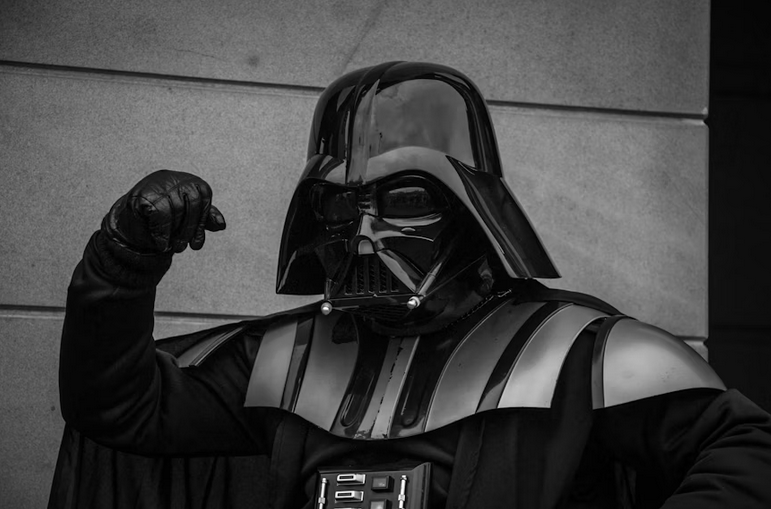
Darth Vader remains among the most iconic villains ever created. His imposing black armor, mechanical breathing, and commanding presence instill fear immediately. Beyond his menacing appearance, Vader’s internal conflict adds layers to his character, allowing audiences to sympathize while still fearing him. His power and mastery of the Force, combined with a strategic mind, make him an archetype for cinematic evil. The character exemplifies how physical design, dialogue, and underlying motives can produce a villain that continues to resonate decades after his first appearance.

Hannibal Lecter – Silence of the Lambs (1991)

Hannibal Lecter is a character who terrifies through intelligence rather than brute force. Played masterfully by Anthony Hopkins, Lecter’s calm demeanor and sophisticated tastes—ranging from gourmet cuisine to classical music—contrast with his murderous tendencies, creating chilling tension. His psychological manipulation and eerie composure make him a captivating antagonist. Lecter demonstrates that a villain’s threat can lie in intellect and unpredictability, showing that fear can emerge from clever strategy rather than physical dominance.

The Joker – The Dark Knight (2008)

joker

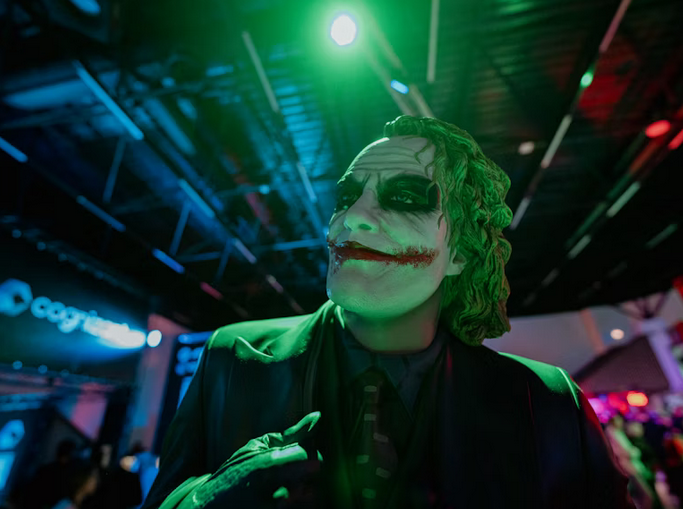
Heath Ledger’s portrayal of The movie Joker in The Dark Knight revolutionized how audiences perceive comic book villains. The character’s chaotic philosophy, disturbing smile, and unrelenting unpredictability create a sense of anxiety and fascination. Unlike traditional villains, The Joker thrives on disorder and challenges societal norms, making his actions both shocking and thought-provoking. His presence transforms the narrative into a psychological battlefield, emphasizing that the most memorable antagonists often operate without conventional motives, leaving audiences unsettled and intrigued.

Anton Chigurh – No Country for the Old Men (2007)

Anton Chigurh is terrifying for his relentlessness and moral code, however warped it may be. Javier Bardem’s chilling portrayal makes the villain’s calm yet unyielding demeanor a focal point of fear. Chigurh’s reliance on chance, exemplified by his coin toss decisions, heightens tension and unpredictability. His appearance and movements are deliberate yet understated, illustrating that horror can arise from quiet determination rather than overt aggression. Chigurh demonstrates that subtlety and consistency can elevate a villain to legendary status.

Lord Voldemort – Harry Potter Series (2001–2011)

Voldemort, the Dark Lord from J.K. Rowling’s Harry Potter series, represents evil driven by obsession and fear of mortality. With his snake-like appearance and relentless pursuit of power, Voldemort terrifies both characters and audiences. His mastery of dark magic, cunning strategies, and willingness to manipulate others illustrate how villains can dominate narratives through intellect, ambition, and charisma. By posing a constant threat, Voldemort demonstrates that a villain’s legacy is cemented through their ability to challenge heroes at every turn.

Nurse Ratched – One Flew Over the Cuckoo’s Nest (1975)

Nurse Ratched embodies control and authority, terrorizing through manipulation and institutional power rather than physical threats. Louise Fletcher’s performance shows how a composed exterior can mask cruelty, creating a chilling sense of oppression. Her calculated actions, emotional detachment, and ability to psychologically dominate patients make her an unforgettable antagonist. Nurse Ratched exemplifies the impact of a villain who relies on intellect, control, and societal power, rather than brute strength, to leave a lasting impression.

These six villains—Darth Vader, Hannibal Lecter, The Joker, Anton Chigurh, Nurse Ratched, and Lord Voldemort—have each defined the art of cinematic antagonism in distinct ways. From fearsome appearances and psychological manipulation to unpredictability and authority, they showcase filmmakers’ diverse methods to craft unforgettable adversaries. Their influence endures …