Top 6 Most Memorable Villains in Film History
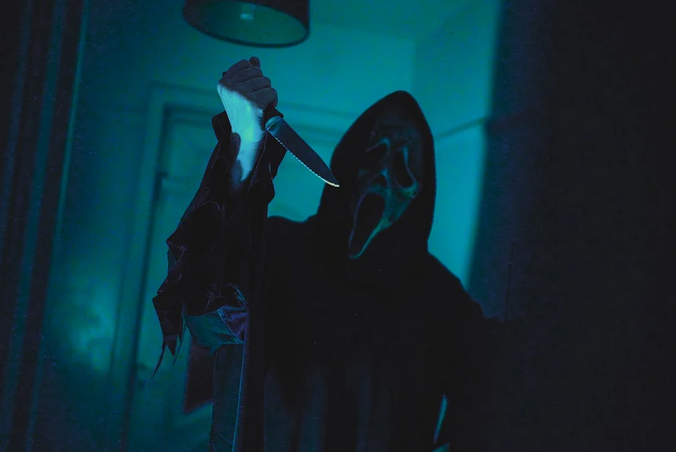
Villains have always fascinated audiences, capturing imaginations with their cunning, style, and audacity. From their striking appearances to unforgettable lines, movie antagonists often define the tension and drama of a film. Some villains gain additional flair through subtle details, like luxurious watches, which reflect their personality and status. For a closer look at how certain characters elevate their presence with timepieces, check out https://www.kinoundco.de/news/luxusuhren-im-film-diese-charaktere-lieben-ihre-uhren. The following villains stand out for leaving an indelible mark on cinematic history, each contributing to the artistry and suspense of their films.
Darth Vader – Star Wars Series (1977–present)
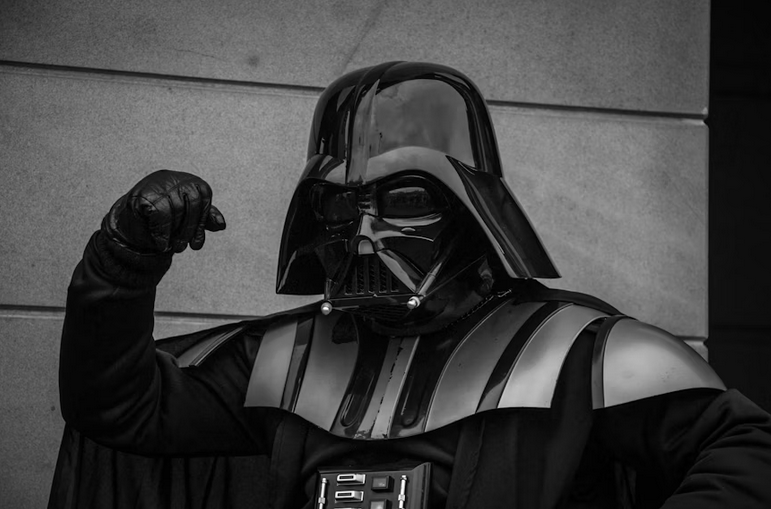
Darth Vader remains among the most iconic villains ever created. His imposing black armor, mechanical breathing, and commanding presence instill fear immediately. Beyond his menacing appearance, Vader’s internal conflict adds layers to his character, allowing audiences to sympathize while still fearing him. His power and mastery of the Force, combined with a strategic mind, make him an archetype for cinematic evil. The character exemplifies how physical design, dialogue, and underlying motives can produce a villain that continues to resonate decades after his first appearance.
Hannibal Lecter – Silence of the Lambs (1991)
Hannibal Lecter is a character who terrifies through intelligence rather than brute force. Played masterfully by Anthony Hopkins, Lecter’s calm demeanor and sophisticated tastes—ranging from gourmet cuisine to classical music—contrast with his murderous tendencies, creating chilling tension. His psychological manipulation and eerie composure make him a captivating antagonist. Lecter demonstrates that a villain’s threat can lie in intellect and unpredictability, showing that fear can emerge from clever strategy rather than physical dominance.
The Joker – The Dark Knight (2008)
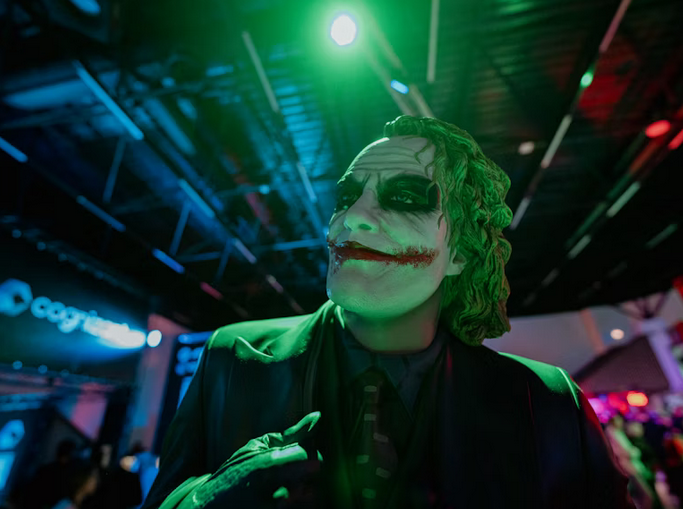
Heath Ledger’s portrayal of The movie Joker in The Dark Knight revolutionized how audiences perceive comic book villains. The character’s chaotic philosophy, disturbing smile, and unrelenting unpredictability create a sense of anxiety and fascination. Unlike traditional villains, The Joker thrives on disorder and challenges societal norms, making his actions both shocking and thought-provoking. His presence transforms the narrative into a psychological battlefield, emphasizing that the most memorable antagonists often operate without conventional motives, leaving audiences unsettled and intrigued.
Anton Chigurh – No Country for the Old Men (2007)
Anton Chigurh is terrifying for his relentlessness and moral code, however warped it may be. Javier Bardem’s chilling portrayal makes the villain’s calm yet unyielding demeanor a focal point of fear. Chigurh’s reliance on chance, exemplified by his coin toss decisions, heightens tension and unpredictability. His appearance and movements are deliberate yet understated, illustrating that horror can arise from quiet determination rather than overt aggression. Chigurh demonstrates that subtlety and consistency can elevate a villain to legendary status.
Lord Voldemort – Harry Potter Series (2001–2011)
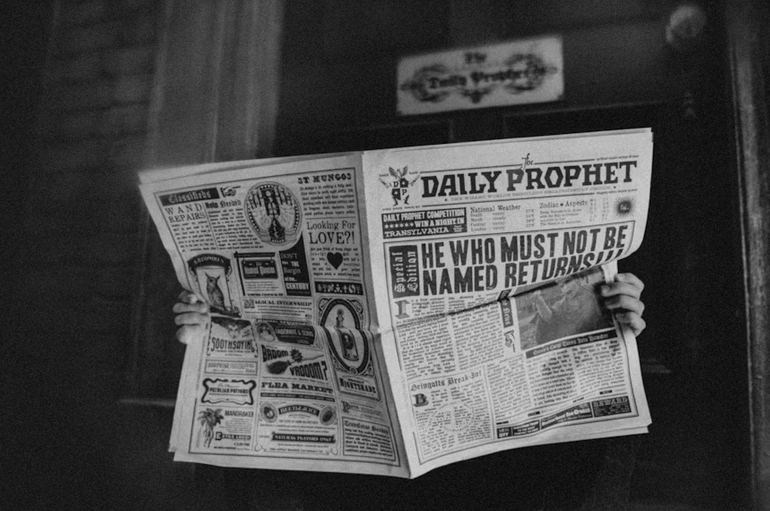
Voldemort, the Dark Lord from J.K. Rowling’s Harry Potter series, represents evil driven by obsession and fear of mortality. With his snake-like appearance and relentless pursuit of power, Voldemort terrifies both characters and audiences. His mastery of dark magic, cunning strategies, and willingness to manipulate others illustrate how villains can dominate narratives through intellect, ambition, and charisma. By posing a constant threat, Voldemort demonstrates that a villain’s legacy is cemented through their ability to challenge heroes at every turn.
Nurse Ratched – One Flew Over the Cuckoo’s Nest (1975)
Nurse Ratched embodies control and authority, terrorizing through manipulation and institutional power rather than physical threats. Louise Fletcher’s performance shows how a composed exterior can mask cruelty, creating a chilling sense of oppression. Her calculated actions, emotional detachment, and ability to psychologically dominate patients make her an unforgettable antagonist. Nurse Ratched exemplifies the impact of a villain who relies on intellect, control, and societal power, rather than brute strength, to leave a lasting impression.
These six villains—Darth Vader, Hannibal Lecter, The Joker, Anton Chigurh, Nurse Ratched, and Lord Voldemort—have each defined the art of cinematic antagonism in distinct ways. From fearsome appearances and psychological manipulation to unpredictability and authority, they showcase filmmakers’ diverse methods to craft unforgettable adversaries. Their influence endures because they combine charisma, menace, and memorable storytelling, leaving audiences captivated and wary long after the credits roll.